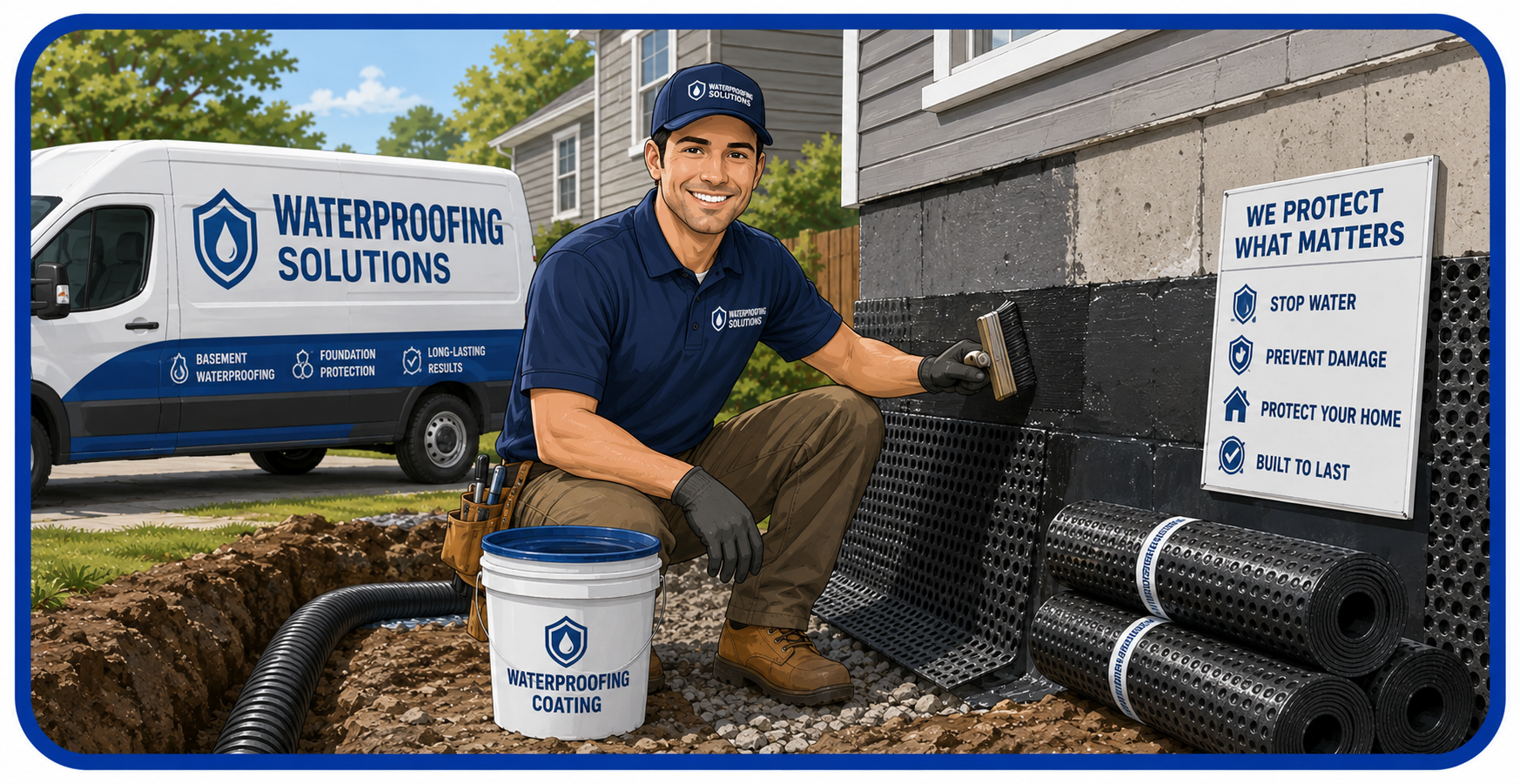
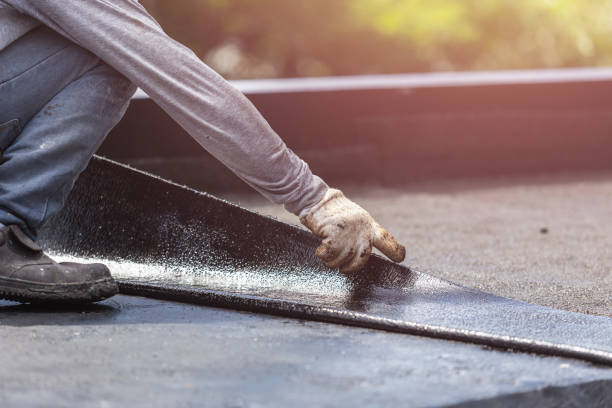
A vapor barrier is a polyethylene sheeting system installed on the ground and walls of a crawl space or basement to block ground moisture from migrating into the structural environment above. A correctly installed vapor barrier in Logan requires the right material specification, proper seam treatment, wall coverage, and mechanical fastening to provide lasting protection against moisture migration.
The thickness of vapor barrier sheeting, measured in mils, is one of the most significant specification decisions a homeowner or contractor makes. For most homes in Logan, AL, we recommend a minimum 10-mil product for general installation and a 20-mil product for spaces with high moisture loads or frequent access requirements.
Seam treatment is equally important to the material specification when it comes to achieving a functioning vapor barrier system. Seam quality is one of the most overlooked and most impactful aspects of the vapor barrier installation.
This wall-to-sill coverage eliminates the vertical moisture migration pathway that accounts for a significant percentage of crawl space humidity in Logan homes. The combination of floor coverage, properly lapped and taped seams, and full wall coverage to the sill plate creates a complete moisture envelope that dramatically reduces crawl space humidity and protects the wood framing above.
High crawl space humidity leads to wood rot in floor joists and sill plates, a process that progresses silently over years before structural symptoms appear. If the barrier is incomplete or poorly sealed, a dehumidifier simply works harder against an unlimited moisture supply, running continuously and consuming excessive energy without achieving target humidity levels.
Every installation meets or exceeds Logan, AL building standards.
The materials we install in Logan are built to last decades, not years.
We extend the barrier up every wall to the sill plate, closing the moisture entry pathway that floor-only installations miss.
Our vapor barrier installations carry a written warranty covering materials and workmanship.
We install reinforced polyethylene sheeting across the entire crawl space floor with full wall coverage and butyl-taped seams throughout.
Upgrading from 6-mil to 20-mil sheeting with proper seam sealing delivers measurably improved moisture performance in most cases.
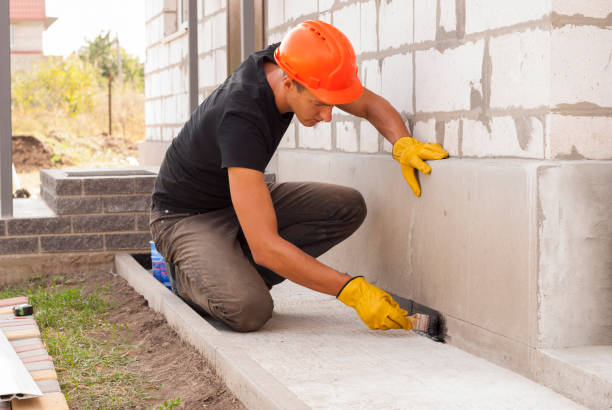
Basement floors in Logan, AL homes, particularly older poured concrete slabs, allow moisture vapor migration from the soil below year-round.
This combination approach addresses both vapor diffusion and water management in a single installation.
Full crawl space encapsulation combines a complete vapor barrier system with a dedicated dehumidifier sized for the space to achieve and maintain target humidity levels year-round.
Inspection findings are documented with photos and a written report detailing any deficiencies and recommended corrective actions.
We measure the space, assess existing moisture conditions, document any existing barrier or mold, and identify all penetrations that will need to be addressed in the installation
Based on site conditions, we specify the appropriate mil rating, calculate material quantities, and plan the seaming layout for maximum coverage and minimum waste
Sheeting is laid, overlapped at 12 inches minimum, taped with butyl tape at all seams, and extended up all walls with mechanical fastening at the top edge
We walk through the completed installation with you, confirm all seams and coverages are complete, and provide written warranty documentation before leaving
"We had a previous vapor barrier installation that was barely 6-mil and had separated seams throughout. The humidity in our crawl space was unacceptable and we were starting to see mold on the floor joists. JCB Waterproofing and Construction came in, took out the failing old barrier, and installed a proper system that actually works. The difference in our indoor air quality was noticeable within a week."
"Very professional team that explained the difference between the grades of vapor barrier sheeting before recommending anything. The material quality and seaming were both done to a very high standard. We can already see the humidity meter reading dropping consistently."
"The crew extended the barrier all the way up the walls to the sill plate, which the contractor who did our original installation did not do. We had been missing that wall coverage and did not even know it. Great work from a team that clearly knows what they are doing."
Do not let ground moisture continue to damage your floor framing and indoor air quality